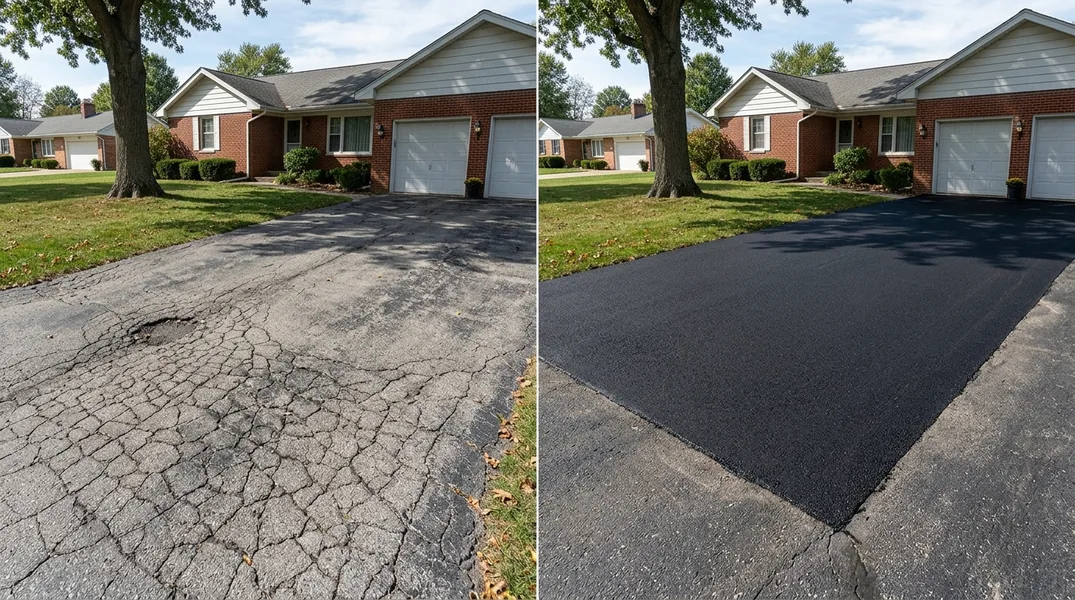
Signs Your Driveway Needs Attention
Your driveway is one of the first things visitors notice about your home, and in South Bend, where winters can be harsh, driveways take a real beating. Recognizing the early warning signs of driveway damage can save you thousands of dollars in the long run. Rather than waiting until your driveway becomes a safety hazard, it's wise to understand what different types of damage mean and whether you need immediate attention or can plan for future work.
Common signs that your driveway needs professional evaluation include small cracks, potholes, fading color, alligator cracking (a web-like pattern across the surface), and areas that have begun to sink or heave. While some minor surface wear is normal, certain damage patterns indicate that the underlying base may be compromised. If you notice water pooling in certain areas after rain, this suggests that the driveway's structural integrity is failing. These issues won't resolve on their own, and ignoring them typically results in more extensive damage that requires costlier repairs.
When to Choose Driveway Repair Over Replacement
Not every damaged driveway needs to be completely replaced. If your asphalt is still structurally sound but shows surface-level damage, repair options can extend its life significantly and cost far less than a full replacement. Pothole Repair & Asphalt Patching is an excellent solution when damage is isolated to specific areas, such as a few potholes or localized cracking. This approach works well when the surrounding pavement is in good condition and the damage hasn't spread across large portions of the driveway.
Another popular repair option for driveways showing moderate wear is Asphalt Resurfacing & Overlay, which involves applying a fresh layer of asphalt over the existing surface. This method is ideal when your driveway has developed surface cracks and fading but the base remains solid. Resurfacing can restore the appearance and functionality of your driveway at a fraction of the cost of complete removal and replacement. For homeowners in South Bend looking to maximize their investment, repair and resurfacing options often make the most financial sense.
Understanding How Long for Asphalt to Cure and Driveway Maintenance
If you've recently had Asphalt Driveway Paving & Installation completed, understanding the curing process is essential for protecting your investment. Many homeowners don't realize that newly installed asphalt requires a specific curing period before it reaches full strength. Typically, asphalt takes 24 to 48 hours to cure enough for light foot traffic, but the complete curing process can take up to six to twelve months, depending on weather conditions and the quality of the installation.
During the initial curing phase, the asphalt is still relatively soft and vulnerable to damage. This is why knowing how long before you can drive on new asphalt is crucial. Generally, you should avoid driving on newly paved asphalt for at least 48 to 72 hours after installation. Heavy vehicles, excessive turning, and parking in the same spot should be avoided for at least one to two weeks. During hot weather, curing takes longer because the asphalt softens more easily under high temperatures. Once you do begin using your driveway, drive straight and avoid sharp turns for the first few weeks to prevent rutting or displacement of the surface.
New Asphalt Driveway Care: The First Year Is Critical
Proper new asphalt driveway care during the first year determines how long your investment will last. Beyond simply waiting for the asphalt to cure, there are specific maintenance steps you should take. Avoid parking heavy vehicles on the driveway for extended periods during the first month, as concentrated weight can create permanent depressions. Similarly, keep the surface clear of debris and avoid using harsh chemicals or salt-based de-icers during the first winter season, as these can accelerate deterioration and interfere with the curing process.
One of the most important aspects of new asphalt driveway care is keeping the surface clean and dry. Sweep regularly to remove dirt and debris, and wash the driveway with a gentle spray when needed. Avoid pressure washing during the first year, as the high-pressure water can damage the surface. If you notice small cracks or areas where the asphalt appears to be separating, address these issues promptly before they expand. Most importantly, plan to apply a protective sealant once the asphalt has fully cured, typically around six months after installation. This sealant creates a protective barrier against UV rays, water infiltration, and oxidation, significantly extending the life of your driveway.
How Often to Seal Driveway: A Maintenance Schedule for South Bend Homeowners
Sealing your driveway is one of the most cost-effective maintenance investments you can make, yet many homeowners overlook this critical step. The question of how often to seal driveway depends on several factors, including your local climate, traffic volume, and the quality of the previous sealant application. In South Bend, where freeze-thaw cycles are common, a regular sealing schedule is especially important. Most experts recommend sealing your asphalt driveway every two to three years, though some driveways may need attention sooner depending on wear patterns and weather exposure.
The best time to seal your driveway is in late spring or early fall when temperatures are moderate and the weather is dry. Avoid sealing during extreme heat or cold, as the sealant won't adhere properly. If you notice that water is no longer beading on the surface of your driveway (instead, it absorbs into the asphalt), this is a clear sign that the protective seal has worn away and resealing is overdue. Regular sealing protects against water damage, UV degradation, and chemical spills, all of which can significantly shorten your driveway's lifespan. By maintaining a consistent sealing schedule, you can expect your asphalt driveway to last 15 to 20 years or more, compared to just 8 to 10 years without proper protection.
Asphalt Driveway Paving & Installation Cost in South Bend: What to Budget
When it comes time to make a decision between repair and replacement, understanding the financial implications is essential. The pricing for driveway work varies based on the scope of the project, the size of your driveway, and the condition of the existing surface. A simple pothole repair or patching job might cost a few hundred dollars, while a full driveway replacement can range from several thousand dollars depending on square footage and site conditions. Resurfacing typically falls between these two extremes, offering a middle-ground option that refreshes your driveway without the expense of complete removal and replacement.
Rather than making assumptions about cost, the best approach is to contact South Bend Asphalt Paving for a free estimate. Our team can assess your specific driveway condition and recommend the most cost-effective solution for your situation. Call us at (574) 314-1280 to schedule your evaluation. During the consultation, we'll explain the long-term value of each option, helping you make an informed decision that balances immediate costs with durability and maintenance requirements. Investing in quality asphalt work now, combined with a consistent maintenance schedule, will save you money over time by preventing the need for premature replacement.
Looking for a professional asphalt paving contractor in South Bend? South Bend Asphalt Paving responds fast for all your asphalt paving needs.
Get a Free Quote